

Quick answer
Kapha is the dosha of earth and water, and kapha types are the steady ones: deep sleepers, calm in a crisis, friends kept for decades, and weight gained from the same dinner that leaves everyone else unchanged. A kapha type can be slim, because constitution sets tendencies rather than a verdict. Mornings are hard because deep kapha sleep overlaps the six to ten kapha hours, and the traditional fix is to rise earlier and move.
Every family has one: the steady one, who sleeps deeply, stays calm in a crisis, keeps friends for decades and puts on weight from the same dinner that leaves everyone else unchanged. Ayurveda calls this pattern kapha, the dosha of earth and water. When kapha leads your constitution, it shows in a solid frame, a patient mind and a pace that does not hurry for anyone.
This guide covers the kapha body type properly: build, mind, digestion, sleep, the seasons that test it, the signs it has accumulated, and what lightens it. If you are not sure kapha is your lead, find yours with the free dosha quiz, or start with our overview of the three doshas.
What a kapha body type means
Prakriti, your body type, is the mix of the three doshas set at the start of your life, and a kapha body type means kapha leads. Kapha is earth and water, and its qualities are what you would expect from wet earth: heavy, slow, cool, oily, smooth, dense, soft and stable.
In the classical picture, kapha is the body’s substance and its glue. Charaka Samhita seats it in the chest and gives it charge of structure, moisture and cohesion: the tissue that holds you together, the fluid that cushions the joints, the stability that keeps the other two doshas from running off with you. Endurance and immunity are traditionally counted among its gifts.
Physical characteristics
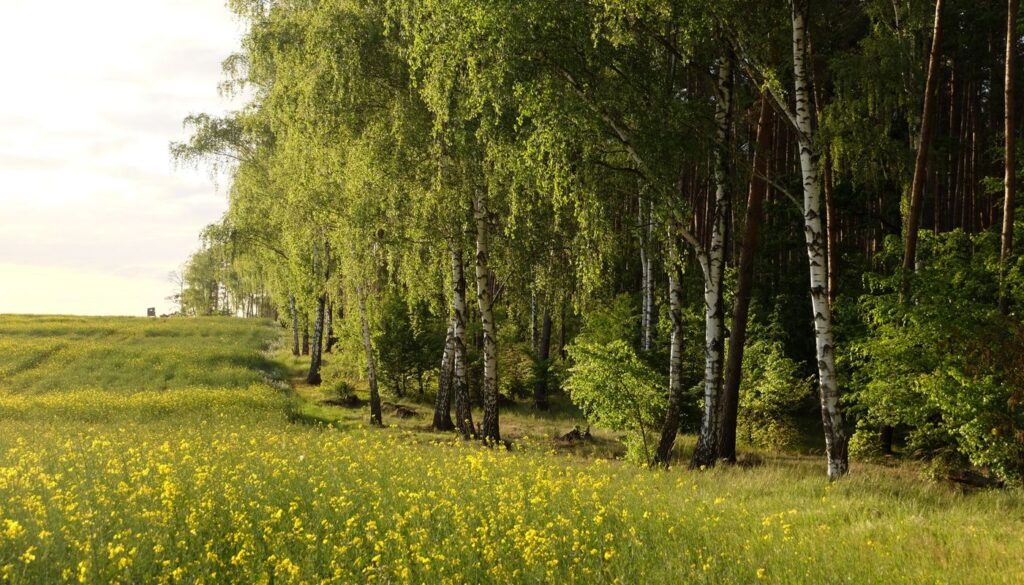
Kapha builds are substantial: broad shoulders or hips, strong bones, well-covered joints, a frame that looks planted. Weight arrives easily and leaves reluctantly. None of this is a defect; it is the earth element doing exactly what earth does, and much of the world’s quiet strength is built on it.
The surface is where kapha is kindest. Skin tends to be thick, smooth, cool and slightly moist, the kind that ages slowly. Hair is typically thick, wavy and glossy. Eyes are large, soft and calm, teeth tend to be strong, and the voice is low, pleasant and unhurried.
Kapha strength is endurance. Slow to start, a kapha type can then keep going long after the sprinters have sat down, in work as much as in sport. Appetite is mild and steady, and a kapha person can miss a meal without anyone needing to hear about it, which no vata or pitta type can honestly claim.
The weight question comes up in almost every kapha consultation, so it is worth being plain about it. Ayurveda claims that constitutions differ in how readily they hold weight, which is a claim about tendency rather than fate. Conventional medicine agrees that basal metabolic rate is partly inherited. The Better Health Channel, published by the Victorian government, writing on how metabolism works, adds a qualification worth keeping in mind. Basal rate is largely set by lean muscle mass rather than fixed at birth, and it accounts for between half and four fifths of daily energy use. Eating too little pushes the body to slow metabolism further in order to conserve energy, which is why the crash diets kapha types reach for tend to make the problem worse. Strength work, which builds the muscle that sets the basal rate, does more for a kapha metabolism than restriction ever will. The two traditions land in the same practical place. Your frame is not negotiable and your habits are, and for a kapha body the habits shift things further than they do for anyone else.
The kapha mind
Kapha minds are steady. They learn slowly and retain nearly everything, prefer depth to novelty, and carry a calm that other people settle around. Loyalty, patience and compassion are the kapha signature; this is the friend who remembers your mother’s name and turns up when things go wrong.
The same steadiness has a shadow. Kapha dislikes change, and dislike can quietly become refusal: the same job, the same routes, the same menu, long after they have stopped fitting. In excess, attachment grows possessive, comfort becomes the answer to every question, and mood settles into a mild, foggy heaviness that Ayurveda reads as kapha gathering in the mind.
So the kapha work is the opposite of vata’s. Where vata needs settling, kapha needs stirring: novelty, challenge, movement, the occasional deliberate discomfort. A kapha person rarely regrets the thing they were finally talked into.
Digestion and sleep
Kapha agni, the digestive fire, is manda: slow. Appetite is gentle, digestion unhurried, and heaviness after meals is the classic complaint, especially after dairy, fried food or a large lunch eaten out of politeness. Kapha types genuinely do better on lighter, warmer, more sparing food, and the classical texts consider them the constitution best able to lighten or skip a meal, and the one that benefits most from doing so.
Sleep is kapha’s home ground. It comes easily, runs deep and would happily go on all morning, and that is the trap: oversleeping and daytime naps build more kapha, which makes the mornings heavier still. Kapha does better on slightly less sleep than it wants, taken early, than on the long lie-in it dreams about.
One more digestive note: kapha hunger is quiet, and habit speaks louder than appetite. A kapha type often eats because the clock says lunchtime, or because someone baked, rather than because the body asked. The old advice is simply to check for real hunger before eating, and to let a light supper be genuinely light; the deep sleep that follows is its own reward.
Kapha through the day, the year and a lifetime
The kapha hours run from six to ten, morning and evening. Waking at half past seven drops you straight into the heavy stretch, which is one of the oldest arguments for the traditional habit of rising before sunrise: you get up ahead of the heaviness instead of underneath it. The evening kapha hours are gentler, a natural wind-down that makes an early night easy if the phone stays out of reach.
Late winter and spring are kapha season, cool and damp. Congestion and sluggish mornings cluster in spring for everyone, kapha types most of all, which is why the tradition schedules its lightening measures, lighter food and more movement, for exactly this stretch of the year.
Kapha types also do well to watch the weather the way vata types watch the calendar. A run of damp, grey days lands on kapha like a blanket, and the counter-move is deliberate: warmth, brightness, company and movement, applied early rather than once the heaviness has settled.
Across a lifetime, childhood is the kapha stage, the years of building tissue, round cheeks and unbroken sleep. A kapha-led person spends childhood doubly kapha, often as the placid, sturdy child, and in adulthood their constitution asks for the lightening habits below all year round, most insistently in spring.
A kapha day, hour by hour
Advice about lightness and movement stays abstract until it has clock times attached. What follows is one workable shape for a kapha day. The hours are approximate. The first hour is not.
Morning, 5.30 to 9
This is the hard part and it decides the rest. Wake before six, which puts you ahead of the kapha hours instead of inside them, and get your feet on the floor within a minute. No snooze button, no phone in bed. A kapha person who negotiates with themselves at six in the morning loses.
Then move before you think about moving. Brisk dry brushing with a rough mitt, a warm shower finished on cold, and twenty minutes of something that raises the heart rate. Ginger tea with a squeeze of lemon before food wakes a slow agni.
Kapha is the one constitution that often does better on a very small breakfast, or none. If you eat, keep it warm and light: stewed apple with cinnamon and ginger, barley porridge with a little honey stirred in once it has cooled, two poached eggs with black pepper. Cold cereal with milk, pastry, or a full cooked breakfast eaten out of habit will hand you the rest of the morning back in the wrong condition.
Working hours, 9 to 2
Kapha starts slowly and then keeps going long after everyone else has stopped, so put the demanding work after ten, when the kapha hours end and the sharper pitta stretch begins. Stand up every hour. A kapha person who sits from nine until five has spent eight hours practising heaviness, and no evening class undoes that. Lunch between twelve and one as the main meal of the day: dal with barley, a large pile of steamed greens with mustard seed, roasted vegetables, and more spice than feels necessary. Leave the pudding.
Afternoon, 2 to 6
The afternoon dip is real and the nap is the wrong answer to it. Twenty minutes of daytime sleep buys a kapha person about an hour of fog. Go outside instead, walk for ten minutes, open a window, make ginger tea. If you want something to eat, keep it dry and light: pumpkin seeds, an apple, plain popcorn. This is also a good hour for the phone call you have been putting off, because kapha inertia gives way more easily when something external is pushing.
Evening, 6 to 10
Supper by half past six if your life allows it, and genuinely light: vegetable soup, a small bowl of dal, steamed vegetables with plenty of spice. The large late dinner is the most kapha-building habit in ordinary modern life, and it is the one most kapha people have. Nothing after supper. Kapha eating at nine in the evening is eating for company, not for hunger.
The evening kapha hours from six to ten make an early night easy, and the phone is the only thing standing in the way. Bed by half past ten. Set the alarm knowing that tomorrow is decided at the getting up, not at the going to bed.
Getting through kapha season
Adjusting habits to the season is called ritucharya, and kapha season is late winter into spring, roughly February through May. The classical explanation is worth knowing: kapha accumulates quietly through the cold months and then liquefies as the weather warms, which is why congestion, heavy mornings, hay fever and the cold that arrives in March all cluster in the same few weeks. Kapha types feel it first and longest.
Seven changes for the season, and spring is the one time of year a kapha person should be strict:
- Spring is the cleansing season in Ayurveda, which is when panchakarma is traditionally scheduled. The domestic version is a fortnight of lighter food with no dairy, no sugar and no snacking between meals.
- Cut dairy hard in March and April. Milk, cheese, yoghurt and ice cream are the classic kapha aggravators, and spring is when they cost the most.
- Add heat and pungency: ginger, black pepper, mustard seed, cloves, horseradish, a little cayenne. Trikatu, the classical mixture of ginger, black pepper and long pepper, belongs to this season.
- Use honey rather than sugar, and stir it into drinks only once they have cooled below hand-hot. The classical texts are unusually firm about not heating honey.
- Get up half an hour earlier in spring than you do in winter, which is the opposite of what the body will suggest.
- Steam inhalation and a saline nasal rinse deal with the congestion better than another antihistamine, and cost nothing.
- Train harder in March than you did in November. Most people do the reverse.
Late autumn and early winter, by contrast, are kind to kapha. The air turns dry, light and moving, which is the exact opposite of kapha’s own qualities, and many kapha people find November the month they feel clearest all year. Enjoy it, and use it to build the habits you will need in February.
Signs kapha has accumulated
Kapha trouble arrives slowly and settles in as heaviness, dampness and inertia. If several of these have become the norm rather than the exception, kapha is running high:
- Heaviness after meals, sluggish digestion
- Congestion, mucus, a stuffy head in the mornings
- Oversleeping, groggy starts, reaching for naps
- Weight creeping up without much change in diet
- Low motivation; everything can wait until tomorrow
- Water retention, puffiness, morning stiffness
- Craving sweet, rich and comforting food
- Feeling worse in damp, cold, grey weather
Because it builds quietly, kapha imbalance is easy to miss until it is well established. The good news is symmetrical: it responds surely, if slowly, to lightening. What kapha needs is not rescue but momentum.
What lightens kapha
Opposite qualities again. Kapha is heavy, cool, oily, slow and stable, so it lifts with light, warm, dry, stimulating and varied. Of the three doshas, kapha asks for the most vigour and rewards it most visibly.
Food that lightens
Pungent, bitter and astringent are kapha’s friendly tastes: generous spicing, leafy and bitter greens, pulses, lighter grains like barley and millet. Warm and dry beats cold and creamy, so a kapha kitchen leans on the spice rack and goes easy on the frying pan. Honey is the traditional kapha sweetener, used modestly; ginger tea before meals is the traditional way to wake a slow agni.
Ease back on the heavy end: dairy, fried food, iced drinks, sweets, and the big late dinner, which is kapha’s least helpful meal and the one it most often eats. Moving the main meal to midday and keeping supper light and early does more for a kapha type than any single ingredient swap.
| Favour | Ease back on | |
|---|---|---|
| Tastes | Pungent, bitter, astringent | Sweet, sour, salty |
| Temperature | Warm, well-spiced food | Iced drinks, cold and creamy food |
| Texture | Light, dry, freshly cooked | Heavy, oily, dense: fried food, rich desserts |
| Meals | Main meal at midday, light early supper | Big late dinners, constant grazing |
| Examples | Barley, millet, pulses, steamed greens, ginger tea | Deep-fried food, ice cream, excess cheese and bread |
The tastes are the principle. A shopping list is easier to act on.
| Favour | Reduce | |
|---|---|---|
| Grains | Barley, millet, buckwheat, rye, corn, dry-toasted oats | Wheat, white rice, bread in quantity, pasta, porridge cooked in milk |
| Vegetables | Leafy greens, broccoli, cabbage, cauliflower, celery, radish, asparagus, peppers, onion | Sweet potato, pumpkin, courgette, cucumber, tomato, avocado in quantity |
| Fruit | Apple, pear, cranberry, pomegranate, dried figs, apricots, berries | Banana, coconut, dates, melon, sweet oranges, tinned fruit in syrup |
| Protein | Mung dal, red lentils, chickpeas, black beans, white fish, chicken, egg whites | Red meat, pork, cheese-based dishes, deep-fried tofu, oily fish daily |
| Dairy | Small amounts of goat milk, buttermilk, warm skimmed milk with turmeric | Cheese, cream, ice cream, full-fat yoghurt, cold milk |
| Oils | Mustard, sunflower, corn oil, and very little of any of them | Coconut, olive oil in quantity, butter, anything deep-fried |
| Spices | Ginger, black pepper, mustard seed, cayenne, clove, cumin, turmeric, garlic | Salt in quantity, which holds water in a body already prone to it |
| Drinks | Ginger tea, hot water, cinnamon and clove tea, black tea with spice | Iced drinks, milkshakes, fruit juice, sweet fizzy drinks, beer |
Read the right-hand column as frequency rather than prohibition. Cheese on a Friday is fine. Cheese as the answer to hunger four evenings a week is how a kapha body arrives at March feeling like it is wearing a coat indoors.
A routine that moves
Exercise is the kapha medicine, and the best time for it is the morning kapha stretch from six to ten, precisely when the sofa argues otherwise. A morning dinacharya built around early rising, movement and a light breakfast does more for kapha than anything sold in a jar. What to do, and how hard, gets a section of its own below.
The other half is variety. New routes, new people, a skill you are slightly bad at: kapha steadiness is a gift, and it stays a gift when something keeps it moving. Saying yes a little more often than feels comfortable is, for this constitution, a genuine health practice.
Warming practices
Where vata gets oil, kapha classically gets friction. Garshana, a brisk dry massage done with raw-silk gloves or a rough mitt before bathing, is traditionally used to invigorate the skin and get the day moving. Its deeper cousin is udvartana, a massage with warm herbal powders that Ayurvedic clinics reach for when kapha has truly settled in. Dry warmth generally suits kapha, and a hot, spiced morning drink is a small daily version of the same idea.
Movement that suits a kapha body
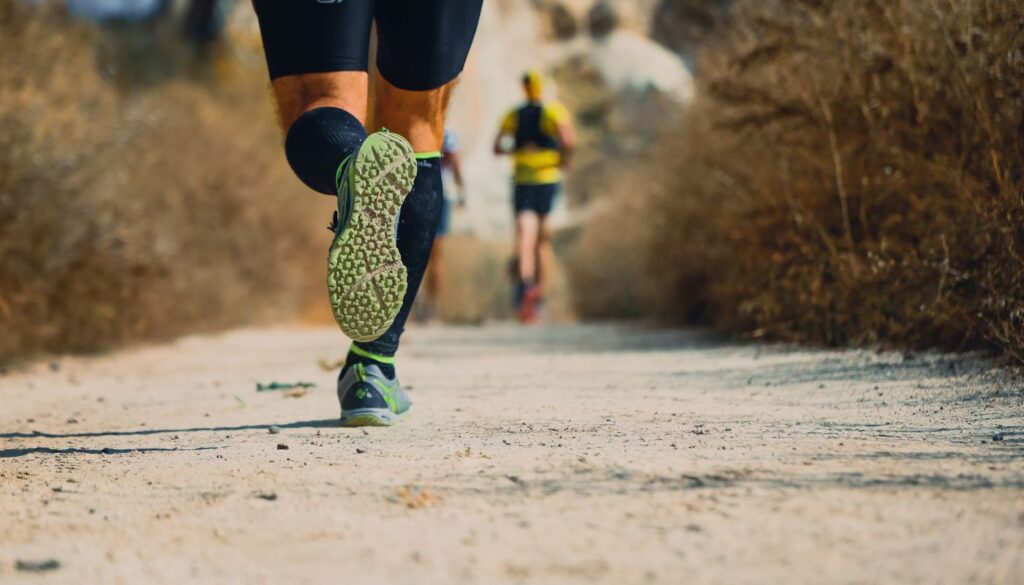
Of the three constitutions, kapha is the one that needs the most exercise and wants it the least. That gap is the whole problem, and it is worth naming plainly rather than dressing up as motivation. Kapha bodies are also the ones that respond most visibly once the habit is in place, which is the compensation.
The general public health target is a sensible floor. The NHS advises adults aged 19 to 64 to get 150 minutes of moderate activity a week, or 75 minutes of vigorous activity, plus muscle strengthening on at least two days, and to break up long stretches of sitting. For a kapha constitution, treat those numbers as the minimum rather than the goal, and spread them across most days rather than banking them at the weekend.
- Train in the morning, between six and ten, when the heaviness is thickest. Exercise done inside the kapha hours does double duty, and a kapha person who leaves it until evening will find reasons not to go.
- Work hard enough to sweat and to be slightly out of breath. Kapha is the one type that genuinely benefits from intensity, and a comfortable stroll will maintain a kapha body rather than change it.
- Strength training three or four times a week, with weight heavy enough to be difficult by the last two repetitions. Kapha builds muscle readily and holds it, which is a real advantage.
- For yoga, take sun salutations at a proper pace and string them together. Twelve rounds with breath will do more than an hour of gentle stretching. Standing postures, backbends and kapalabhati breathing all suit kapha.
- Vary it. Kapha will do the same route at the same pace for four years and quietly stop adapting to it. Change something monthly.
Kapha types rarely overtrain, which makes the failure mode different from the other two. Here it is the slow fade: three sessions a week become two, then one, then a membership card. The countermeasure is external structure. A class with a start time, a training partner who notices, a dog, or a commute done on foot all beat willpower, because they take the daily decision out of your hands.
Kapha at work and in relationships
Kapha is the constitution organisations depend on and rarely celebrate. Kapha people stay. They learn a system thoroughly, hold institutional memory, absorb difficult clients without taking it personally, and keep working steadily through the week that everyone else describes as a disaster. Ask who actually knows how the payroll process works and you will usually be pointed at a kapha type.
The cost is visibility and momentum. A kapha person will do excellent work and neglect to mention it, will wait to be asked rather than put themselves forward, and will stay four years in a role that stopped teaching them anything after eighteen months. Comfort is a real value in this constitution, and it quietly outvotes ambition. Two things help. Put a review date in the diary, an actual date, at which you ask whether the job still fits, because kapha will not raise the question unprompted. And say yes to the thing that makes you slightly uncomfortable before you have finished thinking it over, since with kapha the thinking-over is usually where the yes goes to die.
Starting is the other difficulty. Once a kapha person is moving they will outlast everyone in the room, so the trick is making the start small enough to be unavoidable. Ten minutes on the task, shoes on before deciding whether to walk, one paragraph written badly. Momentum is the resource kapha lacks; endurance is the one it has in surplus.
In relationships, kapha is the constitution people describe as easy to be with. Affectionate, forgiving, physically warm, slow to take offence and reliably present. Kapha partners remember birthdays and hold grudges badly, which is a compliment. Long friendships tend to have a kapha person somewhere in them doing the maintenance.
The shadow side is avoidance. Kapha does not enjoy conflict and will absorb a great deal rather than raise it, which works until the day it does not, and by then the thing has been carried for two years. Attachment can also thicken into possessiveness, and comfort can shrink a shared life down to the same three restaurants. If the two of you have not done anything new since 2023, that is kapha, and the answer is a small deliberate change rather than a large dramatic one.
Pairings behave predictably. Kapha with vata is a good complement, since kapha steadiness gives vata somewhere to land, though the kapha partner will need to accept a certain amount of rearranged furniture. Kapha with pitta works because kapha does not take the bait when pitta is sharp, though pitta may mistake that calm for not caring and say so. Kapha with kapha is genuinely peaceful and needs an external commitment in the diary, a class, a club, a standing arrangement with other people, or two years will pass very pleasantly and very much the same.
When kapha shares the lead
Dual types are the rule, not the exception. Pitta-kapha pairs kapha’s frame with pitta’s fire: strong digestion, formidable staying power, and a tendency to work hard and eat hard. Vata-kapha pairs the two cold doshas: steady yet creative, and in need of warmth above everything. Both are covered in depth in our guide to dual-dosha types. And if you have read this whole page thinking this is my opposite, you are probably looking for the vata body type guide; if heat and sharpness ring truer than heaviness, try the pitta body type instead. The full arrangement of all seven constitutional types sits in our overview of Ayurvedic body types.
If the quiz gave you kapha, start here
A kapha reader will finish this page, agree with most of it, feel calmer for having read it, and change nothing. That outcome is so predictable that it is worth planning against. Pick four things and start one of them today rather than on Monday.
- Get up before six and put your feet on the floor within a minute. Everything else on this list is easier once this one holds.
- Move for twenty minutes before breakfast, hard enough to be slightly out of breath. Walking uphill counts.
- Make supper small and eat it before half past seven. This is the change that shifts weight, more than breakfast and more than the gym.
- Book something with a start time and other people in it. A class, a team, a standing walk with a friend. Kapha keeps commitments to people far better than commitments to itself.
Expect the mornings to improve first, usually inside ten days. Congestion and heaviness after meals go next. Weight is last and slowest, and it moves steadily once it starts, which is the kapha pattern in everything.
One caveat about the result. A questionnaire can confuse the constitution you were born with and a heavy patch you happen to be in, and a sedentary winter raises kapha in people who have very little of it by nature. We separate the two in prakriti vs vikriti. A trained practitioner works it out from the pulse, the tongue, the build and a long conversation, and if learning to read constitutions properly appeals more than being read, our guide to Ayurveda certification explains how that training is structured and what a credible course covers.
Common questions about the kapha type
Can a kapha type be slim?
Yes. Constitution sets tendencies, not a verdict. A kapha person with kapha-friendly habits, daily movement, lighter food, early mornings, can be as lean as their frame allows, and the frame itself, broad and strong, is not something to diet away. The aim in Ayurveda is a clear, light, energetic kapha, not a converted vata.
Why are mornings so hard for kapha types?
Deep kapha sleep plus the six-to-ten kapha hours make a heavy combination, and waking in the middle of that stretch means surfacing through it. The traditional fix is to rise earlier, move immediately and save the reflection for later. Kapha mornings are won or lost in the first ten minutes.
What aggravates kapha most?
The pattern rather than any single indulgence: heavy food daily, long lie-ins, naps, cold sweet snacks and a settled routine with no challenge left in it, all compounded by damp, cold weather. If you change one thing, move every morning; it is the single habit with the widest effect.
Should a kapha type skip breakfast?
Kapha is the one constitution for which this is a reasonable question. Classical texts treat kapha as the type best able to eat sparingly, because a slow agni does not benefit from being loaded at seven in the morning when it has not properly lit yet. In practice, a small warm breakfast or a delayed one both work: ginger tea on waking, then stewed fruit or a light bowl at nine or ten once you have moved and are actually hungry. What does not work is skipping breakfast and then eating a large lunch and a larger dinner, which is how most attempts at this go. The test is simple. If you are not hungry at breakfast time, wait. If you are ravenous by eleven, you skipped rather than lightened.
Why does weight come off so slowly for kapha types?
Partly because the same qualities that make a kapha body durable, dense and stable, also make it reluctant to give anything up, and partly because kapha people are patient enough to tolerate a plan that is not working. The pattern that does move things is unglamorous and consistent: the main meal at midday, a light early supper, no snacking between meals, daily morning movement that raises the heart rate, and spice used generously rather than salt. Ayurveda would add dry brushing and ginger before meals. What tends to fail is the aggressive short cleanse, because kapha regains it all and loses the will to try again. Slow and continuous suits this constitution in weight as in everything else, and six months of steady habit will beat six weeks of severity every time.
Living well as a kapha type
A balanced kapha is calm, affectionate and durable, the person everyone else steadies themselves against. The route there is movement, lightness and a little daily courage about change, applied with the patience kapha already has in stock.
If constitutions and routines interest you enough to study them properly, and perhaps to guide others through them, that is what our Ayurveda Lifestyle Coach Training teaches.
This article is educational and not medical advice. Ayurvedic practices traditionally support wellbeing and belong alongside, never in place of, care from a qualified health professional.
Our self-paced training in Ayurvedic lifestyle, covering daily routine, nutrition, herbs and ethical coaching skills. See the course.